
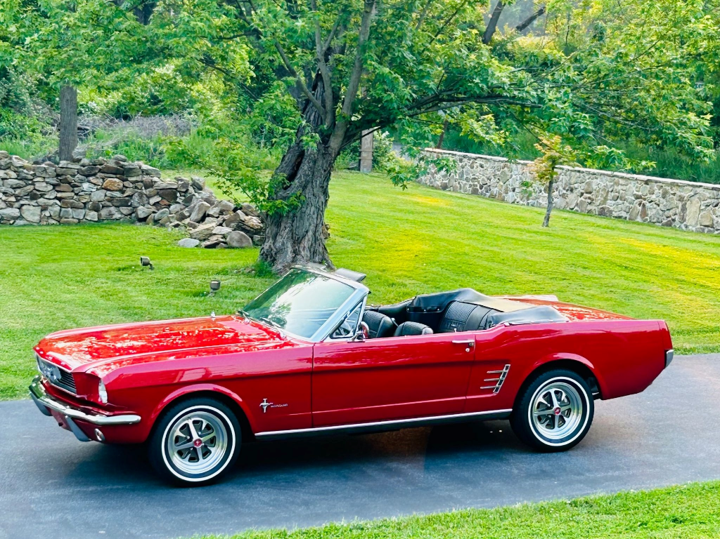
Every classic Mustang build starts the same way: with a car, a garage, and a big idea. Some owners want a factory-correct restoration. Others want the look of a 1960s pony car with modern brakes and suspension underneath. Both are great reasons to get out the wrenches, but projects without a clear plan tend to run long and over budget. Here’s a simple way to approach a classic Mustang build, whether it’s your first or your fifth.
Before ordering a single part, settle on a direction. Most builds fall into one of three camps:
None is better than the others. What matters is that every decision after this one supports your goal. A factory-correct car and a resto-mod need very different parts lists.
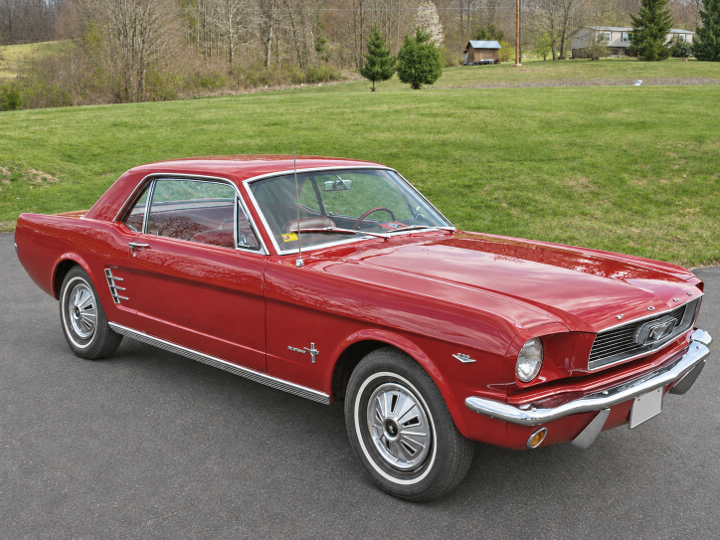
One of the best ways to refine your vision is to see what other owners have done. Eckler’s customer Mustang builds gallery is a good place to start. Seeing finished cars helps you compare paint colors, wheel choices, stance, and interior treatments before you commit. It also helps you spot details you might not have considered, like trim finishes or underhood dress-up.
Save the photos you like, and note what you’re drawn to. After a dozen cars, patterns usually emerge, and those patterns become the outline of your own build.
Cosmetic upgrades are exciting, but structure comes first. Classic Mustangs are commonly affected by rust in areas like the floor, trunk, and lower body panels, so a thorough inspection pays off early. Depending on what you find, you may need new floor pans or other sheet metal before paint is ever a consideration.
Sorting out the body and metalwork first keeps you from painting over a problem, and it protects the money you spend later on finishing work.
It’s tempting to chase horsepower, but safety and drivability deserve attention first. Many original-style Mustangs left the factory with drum brakes, and a disc brake conversion is one of the most popular upgrades for improving stopping confidence. Worn suspension components, like bushings, ball joints, and tie rods, can also make a car feel loose and tired, even when the engine runs strong.
A car that stops and steers well is more enjoyable at any power level, and the improvement is often noticeable from the first drive.
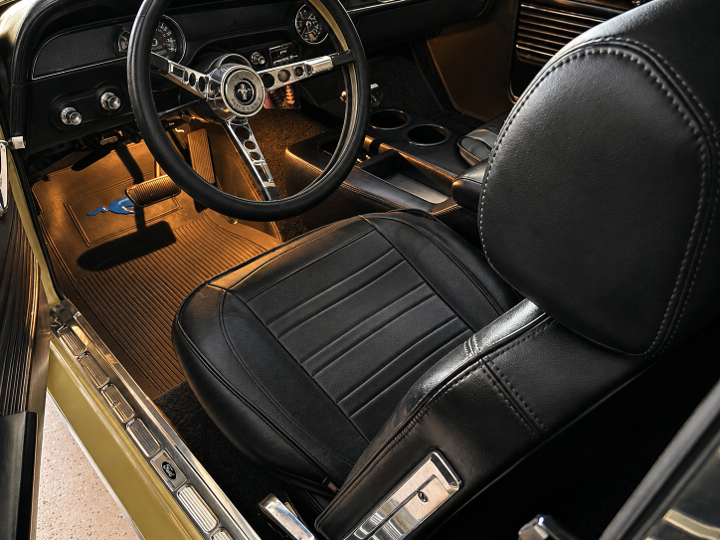
You spend your time inside the car, so the cabin deserves a place on the plan. Fresh carpet, new seat upholstery, a restored dash pad, and replacement door panels can change the whole feel of an older car. Weatherstripping and seals are easy to overlook, but they cut down on wind noise and keep water out, so they’re worth budgeting for.
Wheels shape a Mustang’s look more than almost any other single change. Classic styled steel wheels and period-correct rally styles suit a restoration, while larger modern diameters give a resto-mod a more aggressive stance. Browse wheels with your overall goal in mind, and remember the supporting pieces like tires, lug nuts, and hub caps. Matching your wheel and tire choice to your brake and suspension setup helps everything work together.
Big builds feel manageable when you split them up. A simple phased plan might look like this:
Working in phases lets you drive and enjoy the car along the way, and it spreads the cost over time. It also makes it easier to adjust the plan as your ideas evolve, which they almost always do.
Take photos at every stage, label bags of hardware, and write down part numbers and measurements. It makes reassembly smoother, helps with future maintenance, and gives you a record of the work you’ve done. And if you decide to share your finished car with the community, you’ll already have the story and the pictures ready.
A classic Mustang build is as much about the journey as the finished car. Set a clear goal, get inspired by what other enthusiasts have built, tackle the work in a sensible order, and take time to enjoy each milestone. Whether you’re bringing a rusty project back from the brink or fine-tuning a car that’s already turning heads, the right plan makes the work more rewarding.
Eckler’s has supported classic Mustang owners with restoration and performance parts for decades. Explore the full Eckler’s Mustang parts selection to start planning your next project.


