
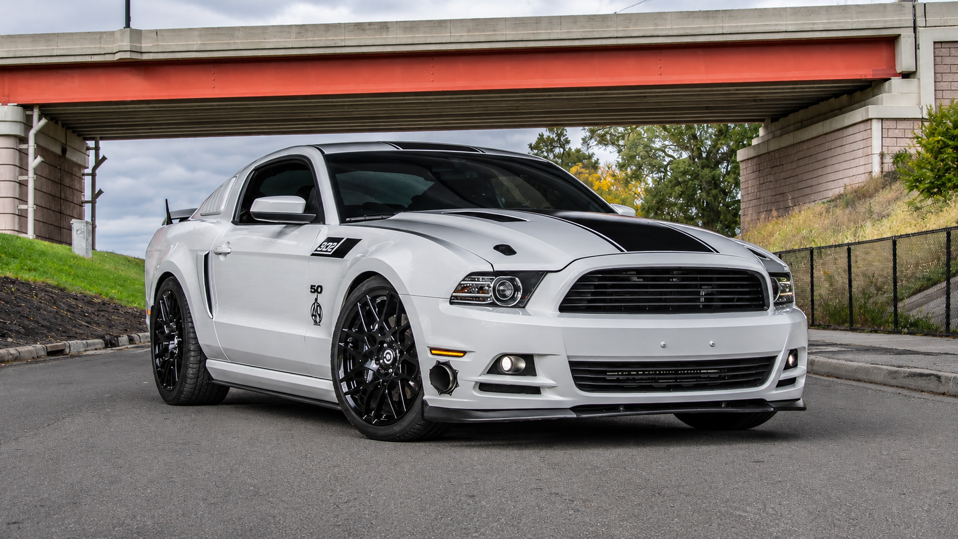
Every wheel listing comes with a pile of numbers, and those numbers matter. But a lot of fitment headaches have little to do with the spec sheet. They come from how the car gets driven, which tires go on the wheels, and what’s hiding behind the spokes. This article is about the decisions that sit around the numbers. When you do need the exact specs, AmericanMuscle’s Mustang wheel buyer’s guide goes much deeper, with factory sizes by year, measuring walkthroughs, and more.
This article is about the decisions that sit around the numbers. When you do need the exact specs, AmericanMuscle’s Mustang wheel buyer’s guide goes much deeper, with factory sizes by year, measuring walkthroughs, and more.
The same wheel isn’t right for every Mustang. A daily driver that sees potholes and winter roads wants some sidewall left on the tire and a finish that’s easy to keep clean. A weekend cruiser or show car can lean harder into looks. A car that sees the track or the strip cares more about weight, strength, and tire width.
Settle that question before you start browsing. It narrows the options faster than any size chart, and it keeps you from falling for a set that looks incredible but doesn’t suit the way you drive.
Mustangs built since 1994 share the same bolt pattern, which is great news for shopping and a little dangerous for decision making. It means plenty of wheels can physically bolt onto plenty of cars. It does not mean they’ll sit right, clear everything, or use the same hardware. A wheel that bolts onto a 2005 might need different lug nuts on a 2015, for example.
Older and newer cars are the two spots where this matters most. If you’re working on a Fox Body, many owners convert from 4 lug to 5 lug to open up the selection, and AM’s Fox Body wheels and tires page is set up for those cars. If you’re shopping for a current Mustang, fitment is sorted by trim, and bigger brakes can limit what you can run. AM’s 2024 to 2026 Mustang wheels selection is organized by model year, so you can check what’s listed for your car.
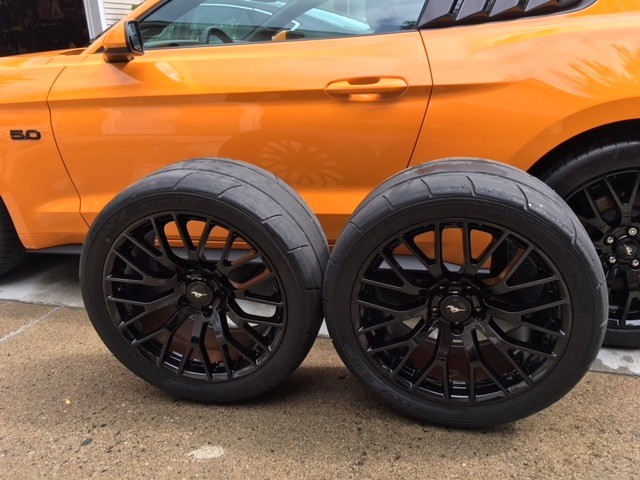
Wheels get all the attention, but the tire you pair with them changes how the car looks, rides, and drives. A wider wheel supports a wider tire. A lower profile tire sharpens the feel but passes more of the road up to you, and it leaves the wheel less protected against potholes and curbs.
Overall tire diameter matters too. If the new setup is noticeably bigger or smaller than stock, your speedometer will be off, because the car still assumes the original size. Keeping the overall diameter close to factory is the easiest way to avoid surprises.
The face of the wheel is what you’ll see in photos, but the barrel and inner edge decide whether it fits. Check three areas.
Brakes. Calipers, and especially big brake kits, need room. A wheel that clears stock brakes may not clear an upgrade.
Suspension. A lowered car changes how the wheel and tire sit in the fender. Go wide and low at the same time and you can end up rubbing even on a wheel that fit fine before.
Fenders. The farther out a wheel sits, the more it exposes the edge of the tire. That’s a great look until the tire contacts the fender lip.
This is the cheapest way to avoid an expensive mistake. Bolt the bare wheel on, turn the steering from lock to lock, and look at the caliper, the strut, and the fender. If you can, check with weight on the car, since the suspension sits differently loaded than it does on a jack. Once tires are mounted, changing your mind gets a lot harder and a lot more annoying.
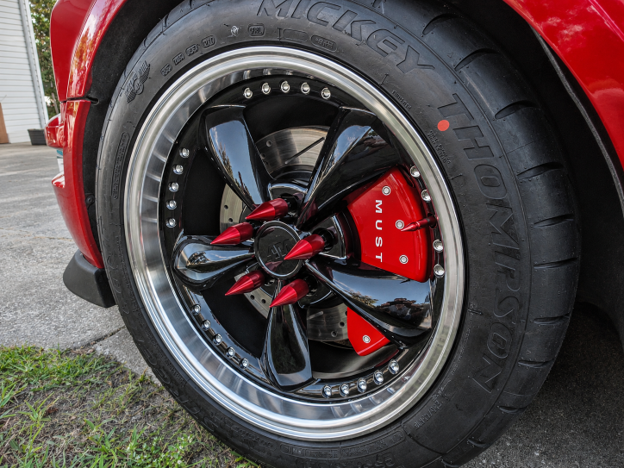
It’s easy to plan around the wheels and forget everything else that has to come with them. Make sure you have the right lug nuts for your year, center caps that fit, and TPMS sensors if your car came with them from the factory (that includes all 2007 and newer Mustangs). Pick them up with the wheels so nothing holds up the install.
At some point you’ll want the specifics: offset and backspacing, bolt patterns and center bores, stock wheel and tire sizes for your year, what a spacer does, how to care for each finish. The buyer’s guide mentioned at the top covers all of it in more depth than an article like this can, so it’s a good page to keep open while you shop.
Start with how you drive, check what’s behind the spokes, test fit before you mount, and let the numbers confirm what the rest of your planning already told you. Do that and the only surprise when the wheels arrive will be how good they look.


